

Photography is an amazing hobby and, better yet, an amazing profession! Getting started is an exciting adventure, but it’s easy to fall into traps that can hold you back.
When I first picked up my camera, I thought shooting in auto mode and oversaturation was the way to go—until I reflected on those images. If you’re just starting, it’s easy to make these same mistakes, I’m here to tell you what I believe are costly mistakes beginner photographers must avoid.
In this photography blog post, I’ll uncover the 10 mistakes many beginner photographers make and share why avoiding them can save you time, money, and frustration. I know all 10 of these too well because I fell for each one. That’s why I am revealing them to you so you don’t make the same mistakes as a beginner photographer.
Let’s set you up for success on your photography journey today!
This post contains affiliate links. As an Amazon Associate, we earn from qualifying purchases. If you buy through one of our links, we may earn a small commission at no extra cost to you. Read our full disclosure policy.
Mistakes Beginner Photographers Must Avoid:
Now, I have been victim to each and every one of these 10 beginner mistakes; I’m sure there are plenty more, too. But these are the 10 that I could come up with and I wanted to get it out there so you don’t make the same mistakes!
Shooting in Auto
Using auto mode seems convenient, but it limits your creativity and control of the light entering your camera’s lens.
Learn manual settings like shutter speed, aperture, and ISO to unlock your camera’s full potential and create beautiful shots.
Using Flash Photography
The harsh light from your camera’s built-in flash often ruins the natural ambiance of your photos. However, there are certain scenarios that require it or if you’re going for a certain creative look.
Wedding photographers almost always use a flash. That’s basically it, though.
Experiment with natural light or invest in soft external lighting for more professional results. Like this light that attaches to your camera or an off scene light box.
Holding Your Camera Incorrectly or Awkwardly
An unstable grip can lead to blurry photos.
A hand holding the top of your lens is awkward and prevents a smooth zoom-in action when shooting with anything but a prime (fixed) lens.
Use both hands! One on the camera’s body and the other under the lens! Keep your elbows close to your body for stability.
Buying All The Gizmos and Gadgets
It’s tempting to splurge on the latest photography gear but start with the basics. Learn your camera’s capabilities before investing in expensive equipment you might not need yet.
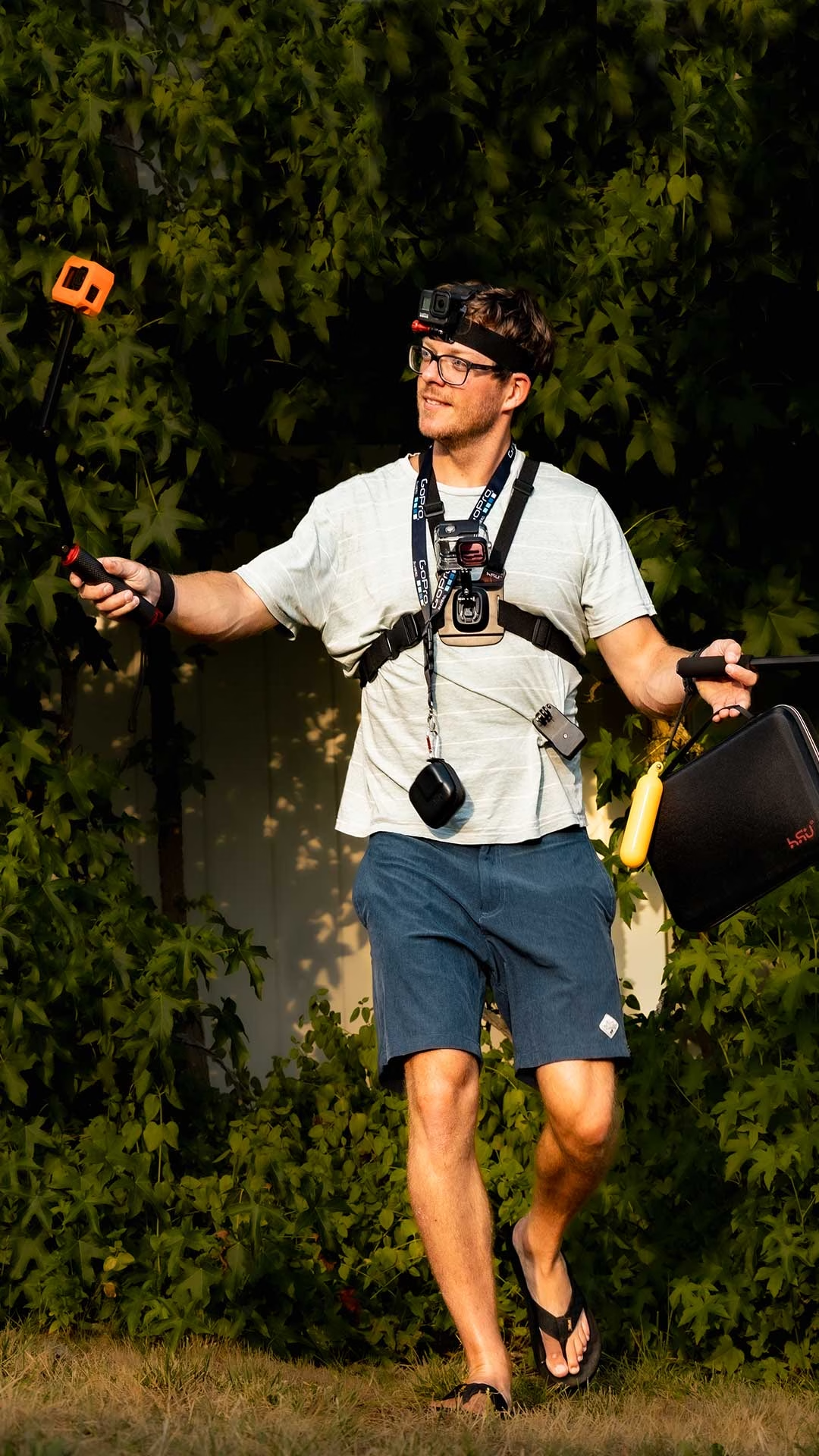
I know it’s exciting to get all the things in an accessory bundled with a new camera or product. However, in my exper/ience when I purchased two separate bundles, they were all junk!
Ultimately causing me to either not use it or try to use it and break!
Don’t buy things like in this bundled photography set. Get new photography products as you need them and as your skills grow and evolve.
Starting a Photography Instagram Account Too Soon
While sharing your new photography is important to get feedback and grow. Try to focus on improving your skills first.
Posting too early can lead to unnecessary pressure and comparisons that may discourage you.
Begin by experimenting with what you like and what makes you happy. Once you are stoked on your new found style, then begin posting.
Immediately Start Shooting Families & Weddings for Money
Rushing into paid gigs without enough experience can harm your reputation and confidence.
Just because you just got this fancy new camera that can capture really amazing things. Doesn’t make you a photographer.
Learn your newfound craft. Understand manual mode. Know what mm focal length is and how and when to use what. Watch 100’s of hours of YouTube videos to learn everything you can. Then put it into practice!
Only then can you start to build your portfolio with free practice shoots which may lead to offering professional services.
All too often I see friends get this shiny new camera and immediately think they can be a family or portrait photographer and even charge for “mini” sessions. It’s frustrating to see this because it often leads to disappointment for both the photographer and their clients.!
“The camera doesn’t make the photographer; the photographer makes the camera!”
As soon as I start to peek at their work they are posting online, I can quickly see they don’t understand the fundamentals of photography (e.g., framing, composition, depth of field, lens choice, and the edit).
It’s sad and annoying because people who are receiving this work and they are stuck with it until they can find a new photographer.
Shooting in JPEG, Not RAW
JPEG files limit your ability to edit and recover details. Shoot in RAW format to have greater flexibility in post-processing and achieve higher-quality results.
In addition, if you have your RAW files still saved; you’ll be able to always go back and re-edit them as your style changes and evolves through the years!
Shooting in RAW is one of my top photography lessons to learn, upon which I found out the hard way!
Over Editing Your Photos
Overuse of editing tools, like Adobe Lightroom, can make photos look unnatural, distracting, and overall bad.
Aim for subtle adjustments that enhance your images while keeping them true to life.
I always edit with one goal in mind: edit to make it look like it did with my naked eye!
A camera can capture a ton of light.
However, achieving an exact reproduction of how it appeared in real life often requires thoughtful post-processing.
Being able to use masks, filters, and various sliders–all allow you to bring the image to how it looked in reality.
If your goal is to have a more artistic look, then you can achieve that as well through an editing software. Just be careful how much you move those sliders!

Buying a Masterclass Without Research
While masterclasses can be helpful, not all are worth the investment.
Look for free or affordable resources first like on YouTube, and only invest in courses with proven value and reviews.
I have never once paid for a photography class. Everything I have learned is from watching others online and through trial and error.
The man with some of the most beneficial and engaging content to watch and learn from is FroKnowsPhoto.
Obviously, a masterclass from a world renowned photographer might be useful and could get you from 0-60 in no time. However, I am a huge fan of self learning and this is just my own experience when it comes to photography!
Now, since I have 10 years of photography under my belt. The only thing that I may consider doing is paying for a photography tour in an area where I am completely foreign to shooting a subject like Jaguars in Brazil. That’s about it, though.
Following the Latest Editing Trends, Nor Be a Copycat
Editing trends come and go, but timeless photography lasts forever.
Develop your own editing style instead of chasing fleeting fads.
In the past, I would find myself scrolling on Instagram and think that’s a nice edit; I want to try to edit like that person because they get a lot of likes and followers.
Use that time on social media to soak in inspiration from others on 500px. I would spend hours looking at there to learn camera settings and location-specific details before heading out for a shoot!
Instead of imitating others, focus on developing your unique style. Find your creative voice. And garner your own following who wants to see your photos!
In Conclusion
Mistakes are part of the learning process, but avoiding these common pitfalls can fast-track your growth as a photographer. Take the time to experiment, learn, and develop your skills at your own pace. Just remember these 10 mistakes beginner photographers make and you’ll do just fine!
Found these tips helpful? Share this post with your fellow beginner photography enthusiasts and tag us (@arboursabroad) in your favorite shots on Instagram! Have questions? Email us or DM—we’d love to help you grow on your photography journey.